Available 24/7: 810-678-6884
28345 Beck Rd., 203, Wixom, MI 48493
OUTPATIENT ADDICTION TREATMENT IN MICHIGAN

PHP in Lake Orion, Michigan

Peer Support During Addiction Treatment
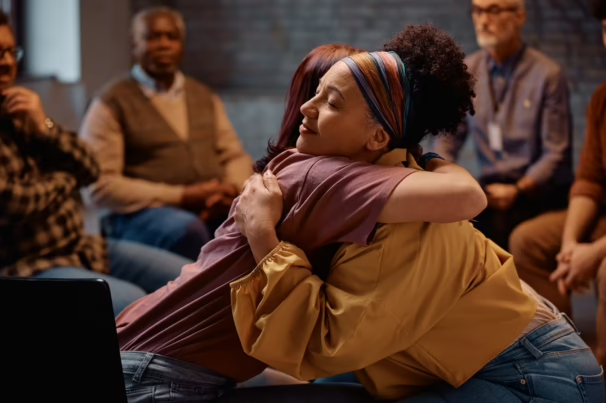
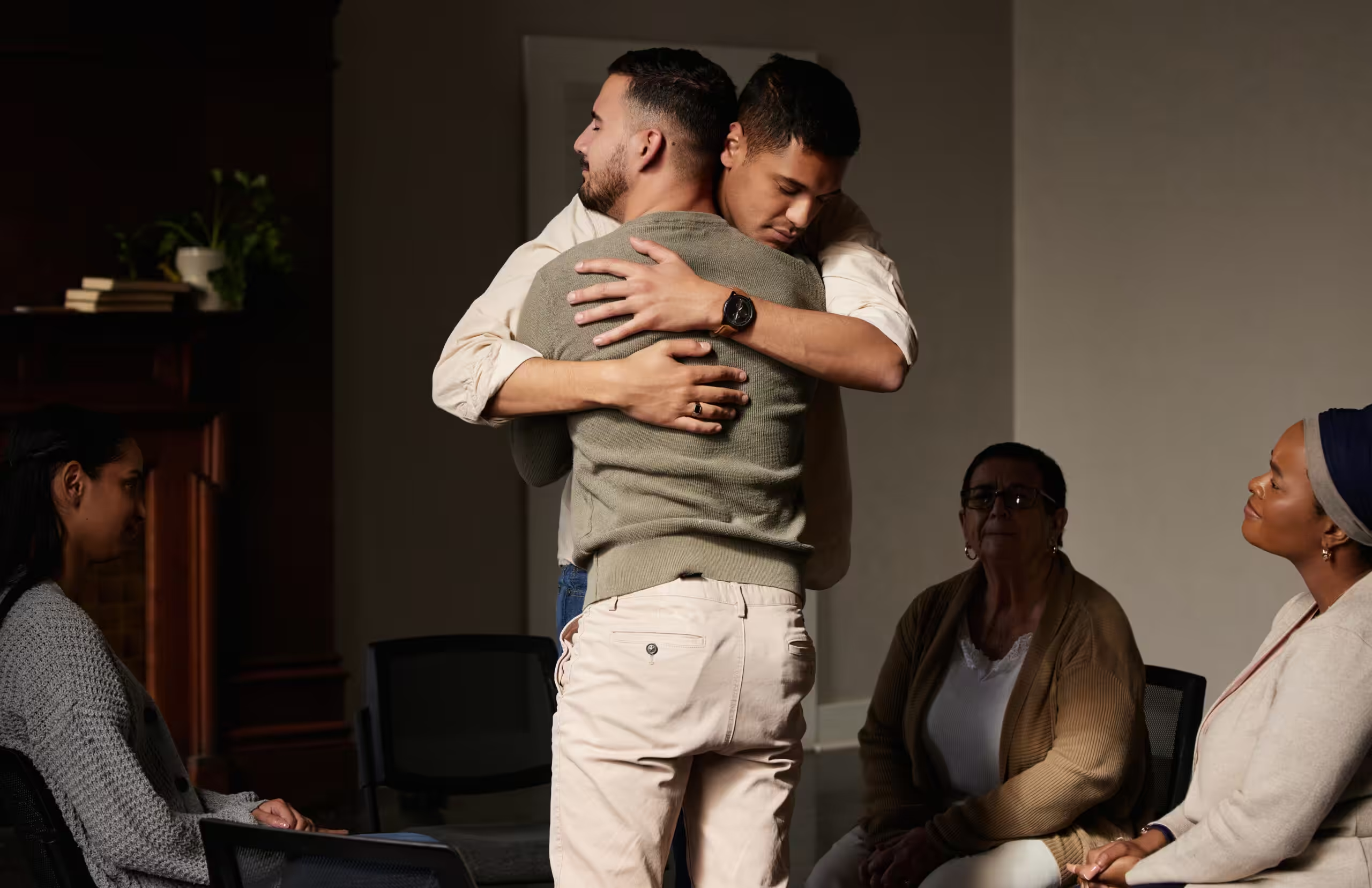
People support each other in a rehab session
Break Free Today

PHP in Lake Orion, MI

Lake Orion is a village in northern Oakland County that carries a genuine sense of community identity—a place where longtime residents know their neighbors, where the lake draws families through every season, and where the character of the community feels meaningfully distinct from the suburban sprawl that defines much of southeastern Michigan. It sits within Orion Township, surrounded by communities like Oxford, Clarkston, Auburn Hills, and Pontiac, and connected to the broader Metro Detroit region via M-24 and I-75. That connectivity matters for many practical reasons—and for residents navigating a serious substance use challenge, it matters because it determines what level of specialized clinical care is realistically within reach.

If you are searching for a Partial Hospitalization Program in Lake Orion, Michigan, Liberty House Outpatient in Wixom is among the most accessible and clinically experienced PHP providers available to you. The drive from Lake Orion to Wixom—typically south on M-24 to I-75 south, then west on I-696 or M-59 to I-275—runs between forty and sixty minutes depending on your specific route and traffic conditions. For Lake Orion residents who need the structure and clinical depth of PHP but want to remain at home rather than enter a residential facility, that commute connects you to more than 30 years of combined outpatient addiction treatment experience in Michigan. For many people, it is a commute that is entirely manageable and genuinely worth making.

Treatment Services
Partial Hospitalization Program
Treatment Services
Intensive Outpatient Program
Treatment Services
Outpatient Program
Our Michigan PHP

What Is a Partial Hospitalization Program in Lake Orion, MI?

If you are trying to understand your options clearly before taking any next steps—whether for yourself or for someone you care about—start here. A plain, accurate understanding of what PHP involves is more useful right now than anything else.

A Partial Hospitalization Program is the most intensive level of outpatient addiction treatment available. It provides the clinical structure and therapeutic engagement typically associated with inpatient or residential care—multiple hours of structured programming each day, individualized treatment planning, and consistent access to licensed behavioral health professionals—without requiring an overnight stay. Clients attend structured daytime programming, typically five days per week, and return home each evening.

The clinical reasoning behind this model is straightforward and well-supported: frequent, consistent professional engagement during early or high-risk stages of recovery produces meaningfully better outcomes for individuals whose clinical needs exceed what standard outpatient therapy can reliably address. PHP delivers that level of engagement while keeping clients connected to their home environment—their family, their community, the life they are actively working to stabilize and rebuild.

For Lake Orion residents managing work schedules, family responsibilities, or the practical realities of living in a lakeside community with its own social rhythms and seasonal pressures, the ability to engage in genuinely intensive treatment without a residential placement makes serious help feel attainable rather than abstract.

A PHP near Lake Orion may be the right level of care if you or someone you care about:

  • Has recently completed medical detox or inpatient treatment and needs continued clinical structure during the transition back to everyday life
  • Is managing a significant substance use challenge while living in a stable, supportive home environment
  • Has engaged with standard outpatient therapy without achieving consistent or lasting progress
  • Is navigating co-occurring mental health conditions—such as anxiety, depression, or trauma—alongside substance use
  • Recognizes that the frequency and accountability of weekly sessions alone will not match what their recovery genuinely requires at this stage

The right level of care is always determined through a proper clinical assessment—not a program description or a search result. If you are uncertain whether PHP is the right fit, the team at Liberty House Outpatient will work through that question with you directly, honestly, and without pressure to commit before you are ready.

Get the Help You Need, When You Need It.

PHP in Lake Orion, MI

What PHP in Lake Orion, MI at Liberty House Outpatient Provides

Partial Hospitalization is designed for people who need recovery to occupy a meaningful part of their week. At Liberty House Outpatient, PHP combines frequent clinical engagement with the opportunity to continue living outside of a treatment facility. That combination allows clients to work intensively on substance use and behavioral health concerns while beginning to apply what they learn to relationships, responsibilities, and situations they encounter in everyday life.

Establishing a Clear Starting Point

Treatment begins by determining what is happening now and what needs the most attention. The clinical team evaluates substance use patterns, current stability, mental health symptoms, previous experiences with treatment, family and social relationships, living circumstances, existing strengths, and potential obstacles to recovery.

From this process, clinicians establish priorities that are specific to the individual. Someone struggling primarily with cravings and repeated relapse may require a different therapeutic focus than someone whose substance use is closely connected to anxiety, trauma, family conflict, or difficulty managing stress. The treatment plan reflects those differences rather than assuming the same approach will work for everyone.

Dedicated One-on-One Clinical Work

Individual therapy creates space to address concerns that require greater privacy and personal attention. Sessions can explore the situations in which substance use occurs, the emotions or experiences connected to it, and patterns that may have become difficult to change without professional support.

Clients also work with their clinician to develop realistic strategies for situations they will face beyond treatment. That might involve learning to respond differently to stress, setting healthier boundaries, rebuilding damaged relationships, recognizing early warning signs, or finding alternatives to substances when uncomfortable emotions arise.

Learning Through a Therapeutic Community

Group programming adds an important interpersonal component to PHP. Clients can learn from the experiences of others while examining how they communicate, respond to conflict, manage emotions, and seek support.

Clinical groups may address topics such as relapse prevention, cravings, triggers, healthy relationships, coping skills, emotional awareness, accountability, decision-making, and creating routines that support sobriety. These sessions are intended to be active and practical, giving clients opportunities to develop skills they can begin using outside of the treatment setting.

Understanding Addiction and Recovery

Knowing that substance use is causing harm does not necessarily explain why changing it can be so difficult. Psychoeducation helps bridge that gap by giving clients a clearer understanding of addiction, behavioral patterns, cravings, triggers, and the recovery process.

This knowledge can help individuals recognize connections between their thoughts, emotions, environment, and behavior. As those patterns become easier to identify, clients can begin making more intentional decisions instead of automatically returning to familiar coping mechanisms.

Addressing Mental and Emotional Health

Substance use may develop alongside depression, anxiety, trauma, chronic stress, grief, or other behavioral health concerns. When these issues are present, focusing exclusively on alcohol or drug use may leave important factors affecting recovery unaddressed.

PHP at Liberty House Outpatient can incorporate co-occurring mental health needs into treatment when clinically appropriate. This gives the treatment team an opportunity to consider how emotional symptoms and substance use interact and to establish therapeutic goals that address the client’s overall behavioral health.

Using Everyday Life as Part of the Recovery Process

One of the distinctions of PHP is that clients are not completely separated from their everyday environment. They return home outside of programming, which means they may encounter responsibilities, relationships, triggers, and stressful situations while still receiving intensive support.

For Lake Orion and Oakland County residents, this can create an opportunity to bring real experiences back into treatment. Instead of discussing recovery only in theory, clients can examine what happened, identify what worked or did not work, and develop a different strategy with their clinical team.

Adjusting Care as Progress Develops

The needs someone has during their first weeks of recovery may not be the same needs they have later in treatment. Progress is therefore reviewed throughout PHP rather than waiting until the end of the program to determine what comes next.

As clients become more stable, the emphasis of treatment can shift toward greater independence, stronger support systems, healthier routines, and preparation for life with less clinical structure. When appropriate, clients may transition into Intensive Outpatient (IOP) or Outpatient (OP) care, allowing professional support to continue at a lower intensity as they move into the next stage of recovery.

How Substance Abuse Has Impacted Your Area

Substance Use and Behavioral Health in Lake Orion and Oakland County

Substance use does not always look the way people expect it to. In communities such as Lake Orion and throughout Oakland County, individuals struggling with alcohol or drugs may continue working, raising families, attending school, maintaining relationships, and meeting many of their everyday responsibilities. The ability to remain functional in certain areas of life, however, does not necessarily mean that substance use is under control. Problems can develop gradually, making it difficult for individuals and families to recognize when recreational or occasional use has become something that requires professional attention.

The risks associated with today’s drug supply add another layer of concern. The Michigan Department of Health and Human Services (MDHHS) continues to identify synthetic opioids such as fentanyl as major contributors to overdose deaths in Michigan. Fentanyl may also appear in counterfeit medications or be combined with other illicit substances, creating overdose risks for people who may not realize they are being exposed to an opioid. These changing patterns reinforce the importance of prevention, overdose education, and timely access to substance use treatment throughout Oakland County.

Alcohol creates different challenges because of how integrated it can be into everyday social life. Drinking may accompany celebrations, sporting events, vacations, weekends on the lake, dinners, and other recreational activities. Because alcohol use is common and socially accepted, the transition from casual drinking to problematic use may not always be obvious. Warning signs can emerge gradually through increased tolerance, difficulty limiting consumption, drinking to cope with stress or emotions, relationship problems, or continuing to drink despite negative consequences.

Behavioral health concerns can also influence how substance use develops and persists. Anxiety, depression, trauma, chronic stress, grief, and difficulty regulating emotions may contribute to using alcohol or drugs as a way to escape uncomfortable feelings or manage symptoms temporarily. Substance use can then create additional emotional, physical, financial, or relationship problems, establishing a cycle that can become increasingly difficult to interrupt without support.

This is why effective addiction treatment needs to consider more than which substance a person uses or how frequently they use it. Understanding the individual’s mental health, environment, relationships, coping strategies, previous recovery attempts, and current responsibilities can help clinicians identify what is driving the behavior and what may interfere with sustained progress.

For Lake Orion and northern Oakland County residents who need substantial support but are appropriate to continue living outside of a residential facility, a Partial Hospitalization Program can provide an important middle ground. PHP offers frequent clinical engagement, structured therapeutic programming, and consistent accountability while allowing individuals to remain connected to their home and community. That combination can help clients address the factors contributing to substance use while learning how to navigate the environments and situations they will continue encountering throughout recovery.

Listen, therapy and a military man with a psychologist for counselling, support and psychology. Young army, veteran or soldier person on therapist couch for mental health, consultation or help.
Help For Those Struggling

Local Resources for Lake Orion Residents and Families

Oakland County Health Division – Behavioral Health Services
Behavioral health and substance use resources for Oakland County residents, including those in Lake Orion, Orion Township, Oxford, Clarkston, Auburn Hills, and surrounding communities.

Common Ground Crisis Center
24-hour crisis intervention, mental health support, and community referrals serving Oakland County and the greater Metro Detroit region—one of the most established crisis resources available to Lake Orion-area residents.

SMART (Suburban Mobility Authority for Regional Transportation)
Regional public transit connecting Oakland County communities to the broader Metro Detroit region. Lake Orion residents may access SMART routes for transportation to treatment-related appointments.

Lake Orion District Library
A community resource hub serving Lake Orion and Orion Township residents, offering health information access and connections to local and regional services.

Alcoholics Anonymous – Oakland County Area
Local AA meeting schedules and peer support resources for Lake Orion and Oakland County communities.

Narcotics Anonymous – Metro Detroit Area
NA meeting information and peer support resources throughout Oakland County and the greater Metro Detroit region.

Oakland Community Health Network (OCHN)
The community mental health authority for Oakland County, coordinating publicly funded behavioral health and substance use treatment services for eligible residents, including those in Orion Township and Lake Orion.

Clarkston Consulting and Recovery Support
Community-based recovery support resources serving northern Oakland County residents, including those in the Lake Orion and Clarkston area.
(Residents are encouraged to contact OCHN or Michigan 211 for current provider referrals specific to their location and insurance.)

Can you continue work during outpatient rehab
Trusted Local Care

Why Lake Orion Residents Choose Liberty House Outpatient

Choosing addiction treatment—often during one of the most disorienting and difficult periods a person or family has faced—means looking carefully at the clinical experience and genuine individualization behind a program, not just at its location or availability. For Lake Orion residents making that decision, what matters most is confidence that care will be built around who you actually are, delivered by experienced professionals, and oriented toward outcomes that hold over time.

Liberty House Outpatient brings more than 30 years of combined outpatient addiction treatment experience in Michigan to every client relationship. That experience actively shapes how assessments are conducted, how treatment plans are built and continuously refined, and how clinicians engage with the full complexity of each person’s recovery—including the family dynamics, community context, social environment, and personal history that are always part of the clinical picture, regardless of where someone lives.

Here is what that means in practical terms for Lake Orion residents and families seeking addiction treatment or outpatient rehab near their community:

  • Individualized care grounded in genuine clinical assessment. Treatment at Liberty House Outpatient begins with understanding who you are—your history, your circumstances, your relationships, and your goals—not with placing you into a predetermined program structure designed for someone else’s situation.
  • Experienced, credentialed behavioral health professionals who collaborate actively on your care and remain genuinely engaged at every level of the treatment continuum.
  • Evidence-based therapies applied with real clinical judgment—not delivered generically or rotated through a fixed schedule regardless of individual need or clinical response.
  • A complete continuum of care—PHP, IOP, and OP—ensuring that appropriate professional support remains available as your recovery evolves, without requiring a provider change or the disruption of rebuilding a therapeutic relationship from scratch.
  • Whole-person treatment that understands substance use in the full context of mental health, family life, community identity, and the future you are genuinely working toward.

Liberty House Outpatient serves individuals and families in Lake Orion, Orion Township, Oxford, Clarkston, Auburn Hills, Pontiac, Waterford, Commerce Township, Novi, Wixom, and surrounding Oakland County communities.

VERIFY YOUR INSURANCE BENEFITS

We Work With Most Major Insurance

Answering Your Common Questions

Frequently Asked Questions (FAQs)

Is there a Partial Hospitalization Program accessible from Lake Orion, MI?

Yes. Liberty House Outpatient in Wixom provides PHP services accessible to Lake Orion residents, typically via M-24 south to I-75 south and then west toward Wixom—a commute that runs between forty and sixty minutes depending on route and traffic. For individuals in Lake Orion, Orion Township, and surrounding northern Oakland County communities, Liberty House Outpatient is among the more established PHP providers within a commutable distance.

What makes PHP different from standard outpatient therapy?

Standard outpatient therapy typically provides one to three hours of professional contact per week. PHP provides multiple hours of structured group and individual programming each day—significantly more clinical engagement, more consistent skill development, and greater daily accountability. These represent meaningfully different levels of clinical support designed for different clinical needs. The right choice depends on a thorough individual assessment rather than program proximity or personal preference alone.

Can I live in Lake Orion and attend PHP while staying at home?

Yes. PHP at Liberty House Outpatient is specifically designed for clients who live at home and commute to structured daytime programming. Returning home each evening is a built-in and clinically intentional feature of the PHP model—not a compromise. For Lake Orion residents, the commute south toward Wixom is the primary logistical consideration, and for many it is entirely manageable given the level of clinical support PHP provides.

Does PHP at Liberty House Outpatient address co-occurring mental health conditions?

When clinically indicated, yes. The relationship between substance use and co-occurring conditions such as depression, anxiety, and trauma is well-established and clinically significant. Integrated treatment addressing both simultaneously tends to produce more durable outcomes than treating either in isolation. Co-occurring concerns are assessed at intake and incorporated into individualized treatment planning where appropriate.

What level of care follows PHP at Liberty House Outpatient?

Most clients transition from PHP to Intensive Outpatient (IOP)—continuing regular group and individual therapy with greater scheduling flexibility as recovery stabilizes and daily functioning improves. From there, clients typically progress to standard outpatient programming. Because the full continuum is available at Liberty House Outpatient, each transition happens within an established therapeutic relationship rather than requiring a fresh start with an unfamiliar clinical team.


Does Liberty House Outpatient accept insurance for addiction treatment near Lake Orion?

Yes. Liberty House Outpatient works with many major insurance providers and verifies benefits before treatment begins. Our team provides clear, accurate information about your specific coverage so that financial uncertainty does not stand between you and the level of care your situation genuinely requires.


Signs of Drug Addiction and How to Get Help
Break Free Today

Begin Your Recovery With PHP In Lake Orion, MI

If you are in Lake Orion, Orion Township, or anywhere in northern Oakland County—or if you are a family member trying to understand what the right next step looks like for someone you care about—the clinical team at Liberty House Outpatient is ready to help you work through that clearly, honestly, and without pressure.

You do not need a referral to reach out. You do not need every question answered before you make the call. Recovery begins with a single conversation, and with Liberty House Outpatient accessible from Lake Orion via a manageable commute south on M-24 and I-75, the level of clinical support your situation may genuinely require is closer than it might feel right now.

Contact Liberty House Outpatient today to speak with our clinical team or verify your insurance benefits.