The road to recovery is a long one, and without help, it’s hard to find the right path. It can be a distressing experience when you or someone you love suffers from addiction. The emotional, mental, and social stressors of overcoming addiction can be overwhelming at times, but you don’t have to make this journey alone. Dialectical Behavioral Therapy (DBT) is a therapy designed to help patients build healthy coping skills to regulate their emotions, practice interpersonal effectiveness, and manage the stressors associated with recovery.
Addiction and recovery aren’t easy, but Liberty House has licensed and caring therapists who can support your unique needs. Our team of licensed therapists and dedicated staff is here to provide you or your loved one with quality care and individualized attention.
Dialectical Behavior Therapy (DBT) is an evidence-based treatment that guides individuals toward a deeper understanding of their emotions, behaviors, and relationships. The formal approach was developed by psychologist Dr. Marsha Linehan as a specific treatment for borderline personality disorder. Today, DBT has been adapted to help many people struggling with mental health issues like anxiety, depression, and addiction.
At its heart, DBT is about learning to accept the circumstances you’re currently facing, while at the same time gathering the tools necessary to create real and permanent change. In this way, DBT is a uniquely powerful tool for those who are dealing with addiction and recovery, as it can help people understand the complex emotions that often contribute to relapse and cause further distress.
By working through DBT exercises with a therapist, people struggling with addiction can learn how to better identify the impact their thoughts and emotions have on their actions. Over time, these exercises help you identify and address those feelings as they arise, particularly in high-stress and potentially triggering situations. Instead of acting out or attempting to self-medicate with drugs or alcohol, DBT can help you learn to pause, calm down, and then respond in a healthier way.
For those who are going through addiction treatment or who are simply looking for a more balanced approach to mental health and wellness, DBT can be a tremendously powerful resource. In addition to helping you better understand your emotions and build confidence in your ability to manage them, DBT can also help you develop the tools for long-term resilience, including greater self-awareness and healthier coping skills.
At Liberty House Outpatient Center, we believe DBT is an essential element of an effective addiction treatment plan. To that end, our caring staff is here to guide you through this process with compassion and understanding. Let us help you move forward on the path to a healthier, more balanced lifestyle.
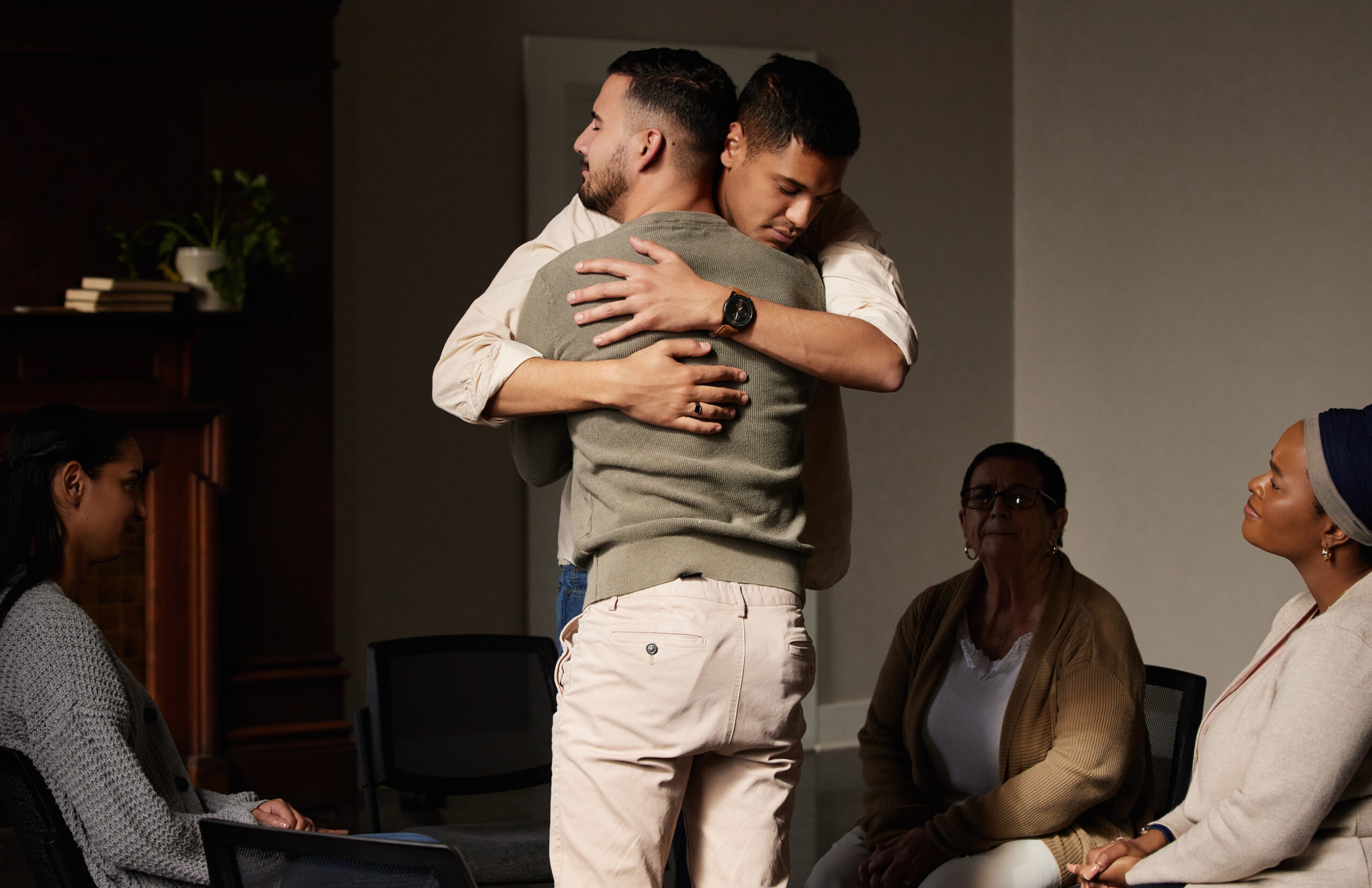
Addiction is an isolating disease, but you are not alone. DBT programs in Oakland provide patients with the skills and structure they need to navigate their recovery journey, supported by a team of caring, licensed therapists and support staff. You will also learn how to cope with difficult emotions, manage stress, and maintain healthy relationships with others. Patients who undergo DBT therapy typically report fewer self-harming behaviors and increased emotional stability and self-confidence when facing the challenges of daily life.
Addiction struggles and substance abuse issues that Dialectical Behavioral Therapy can treat include:
A full range of substance use disorders and co-occurring mental health conditions are all treatable with DBT at Liberty House.
Substance abuse disorders in Oakland County, MI, do not discriminate. Whether you have been abusing prescription opioids or alcohol, DBT, alongside other therapeutic modalities, can provide you with the resources and techniques you need to overcome your struggle.
The first major component of DBT is mindfulness, which means being present in the moment. A common metaphor is “learning to dance in the rain instead of waiting for the storm to pass.” The goal is to observe and learn without judgment or criticism.
The second skill is distress tolerance, which refers to managing your emotions, particularly in the short term. This includes learning how to accept the situation as it is, even if it is not ideal.
The third skill is emotion regulation, which focuses on understanding and changing the way we think about certain events or people that trigger us into unhealthy behaviors. For example, if someone cuts you off in traffic, you might want to honk angrily and flip them off, but if you pause and reflect on why that person may have done that, you may be able to control your anger before it escalates out of hand.
The fourth and final skill is interpersonal effectiveness, the ability to assert yourself effectively in social situations. This includes asking for what you want, saying no when necessary, and managing conflict.
During DBT, patients work closely with a therapist to learn these four skills. The therapy can be conducted in either an individual or a group setting. Patients are typically seen once a week for about an hour per session, but this may vary depending on the severity of the condition and what works best for you.
Therapy with a DBT program in Oakland County, MI, typically includes the following steps:
Therapists track patients’ progress throughout treatment. The duration of therapy will also depend on the severity of your condition, but treatment is not expected to last longer than a year. Many of the patients who come through Liberty House’s doors return for a while to get the structure they need in their lives.
Liberty House understands that financial concerns can deter individuals from seeking the help they need. Fortunately, most outpatient DBT therapy programs in Michigan are covered by health insurance, including private providers and Michigan Medicaid.
The Liberty House team helps patients verify insurance benefits and explain coverage in clear terms. They also explore alternative options, such as flexible payment plans and financing solutions, to make treatment more affordable. The goal is to ensure that cost never becomes a barrier to healing.
The duration of your DBT sessions will depend on several factors, including how quickly you make progress in the different skills modules and your personal goals. Your therapist will determine this after an initial assessment. In general, treatment lasts about 12 weeks, but it may be longer depending on your needs and goals for therapy.
DBT can be provided both individually or in groups. At Liberty House, both individual therapy and group skills training sessions are offered.
Yes, all sessions at Liberty House are confidential. This includes individual sessions with your therapist, as well as group sessions with other patients and staff.
DBT is a treatment that can help individuals who suffer from a wide range of emotional and mental health struggles, including substance use disorders. If you or someone you know is struggling with addiction, DBT may be able to provide the support that they need to overcome it.
Your therapist will monitor your progress throughout treatment and provide regular feedback on your progress.
Yes, DBT is available for adolescents. Liberty House provides specialized DBT programs for adolescents who are struggling with emotional dysregulation and substance use disorders.
Addiction is a distressing illness that can be hard to live with. Whether you or a loved one is suffering from a substance use disorder or a mental health issue, Liberty House offers compassionate care and a team of licensed professionals who want to help you on your journey towards recovery.
If you or someone you know is suffering from an addiction, contact Liberty House to learn more about Dialectical Behavioral Therapy (DBT) programs in Oakland County, MI, and schedule a consultation to start the road to recovery today.