




Treatment at Liberty House Outpatient does not begin with assumptions. It begins with a comprehensive assessment that considers your substance use history, mental and emotional health, relationships, home environment, and the goals that matter most to you in recovery. That assessment shapes an individualized treatment plan—one that reflects your actual clinical needs, not a standardized protocol.
Here is what PHP programming typically involves:
Individual therapy provides dedicated one-on-one time with a licensed clinician to explore the personal patterns, experiences, and circumstances contributing to substance use. Sessions are focused on building insight and developing practical skills—not simply reviewing the previous week.
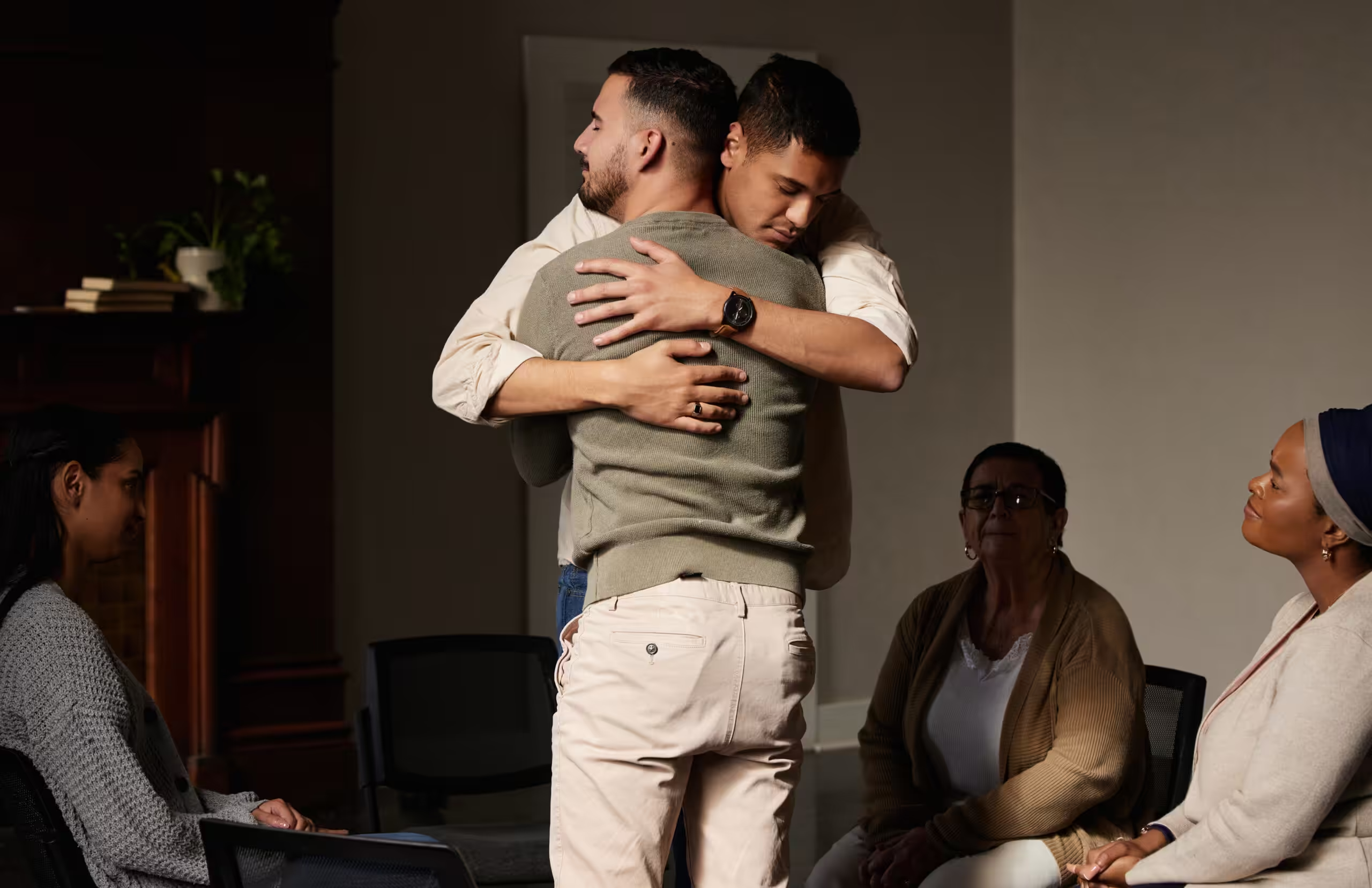
Group therapy is a cornerstone of PHP and serves a dual purpose: it delivers structured clinical content and creates a space where clients can connect with others navigating similar challenges. Group sessions address topics such as relapse prevention, stress management, emotional regulation, trigger identification, and rebuilding healthy communication.
Psychoeducation gives clients a working understanding of addiction as a behavioral health condition—how it develops, how it affects the brain and behavior, and what sustaining recovery looks like in everyday life. Knowledge is a legitimate part of the recovery process, not just a supplement to it.
Co-occurring mental health support, when clinically indicated, addresses the relationship between substance use and underlying emotional or psychological concerns. These two areas of health frequently influence each other, and integrated care tends to produce more durable outcomes than treating either in isolation.
Ongoing treatment plan review ensures that care continues to reflect where you actually are—not where you were when you started. Progress is assessed regularly, and adjustments are made collaboratively.