



Understanding what PHP involves day to day helps demystify the process and makes it easier to consider whether it fits your situation or that of someone you care about.
Treatment at Liberty House Outpatient begins before the first day of programming. A comprehensive clinical assessment is conducted to understand each client’s substance use history, mental and emotional health, support system, living situation, and personal recovery goals. From that foundation, an individualized treatment plan is developed—one that reflects your specific needs rather than a template.
Within the program, clients engage in:
Individual therapy with a licensed clinician focused on understanding the underlying factors contributing to substance use, building practical coping strategies, and working toward clearly defined recovery goals.
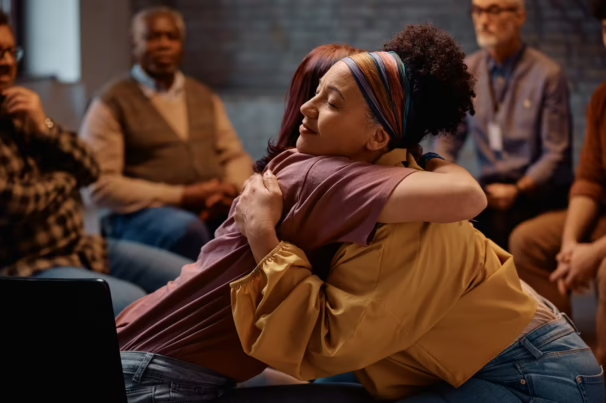
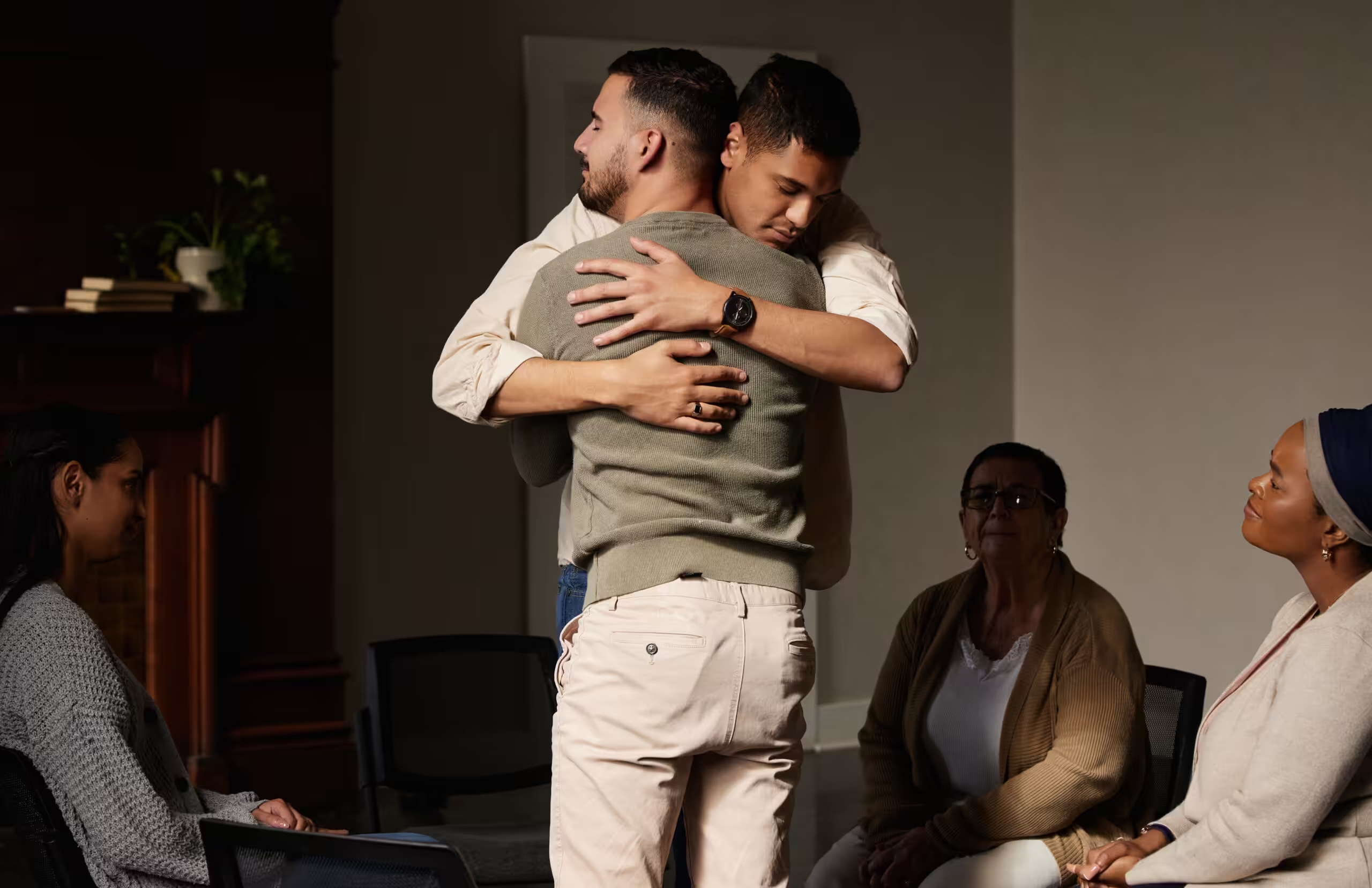
Group therapy that combines therapeutic structure with peer connection. Group sessions are not simply support circles—they address specific clinical content, including relapse prevention, emotional regulation, identifying and managing triggers, and rebuilding healthy communication patterns.
Psychoeducation that helps clients develop a working knowledge of addiction as a behavioral health condition—how it develops neurologically and behaviorally, how it affects relationships and decision-making, and what sustaining recovery requires in practical terms.
Mental and behavioral health support, when clinically indicated, that addresses the relationship between substance use and co-occurring emotional concerns. These two areas of health often influence one another, and treating them in an integrated way tends to produce better outcomes than addressing either in isolation.
Collaborative, ongoing treatment planning that evolves as the client does. Progress is not assumed—it is assessed, discussed, and reflected in adjustments to care throughout the program.